

N
ot all budget sneakers are created equal. Some genuinely punch above their price tag, delivering cushioning and construction that rivals shoes costing twice as much.Others are cheap for a reason, and fall apart within a season of regular wear.After weighing comfort, materials, durability, versatility, and how these shoes actually hold up over months of daily use rather than just how they look in the first week, here’s how the best budget options for men currently stack up, ranked from best overall value down to the most accessible entry point.
Why This Category Has Gotten So Much Better
Budget sneakers used to mean an obvious compromise — thinner materials, flatter cushioning, a shoe that looked fine in photos and started falling apart within a few months. That’s changed. Buyers are increasingly prioritizing shoes they can actually purchase and wear regularly rather than chasing limited releases that resell for triple the sticker price, and that shift in demand has pushed brands to compete harder on genuine quality at lower price points instead of relying purely on hype and branding.The result is a genuinely strong lineup of sneakers under $150 — plenty of them well under $100 — that don’t feel like a downgrade anymore.
1. ASICS Gel-1130 — $90–$110
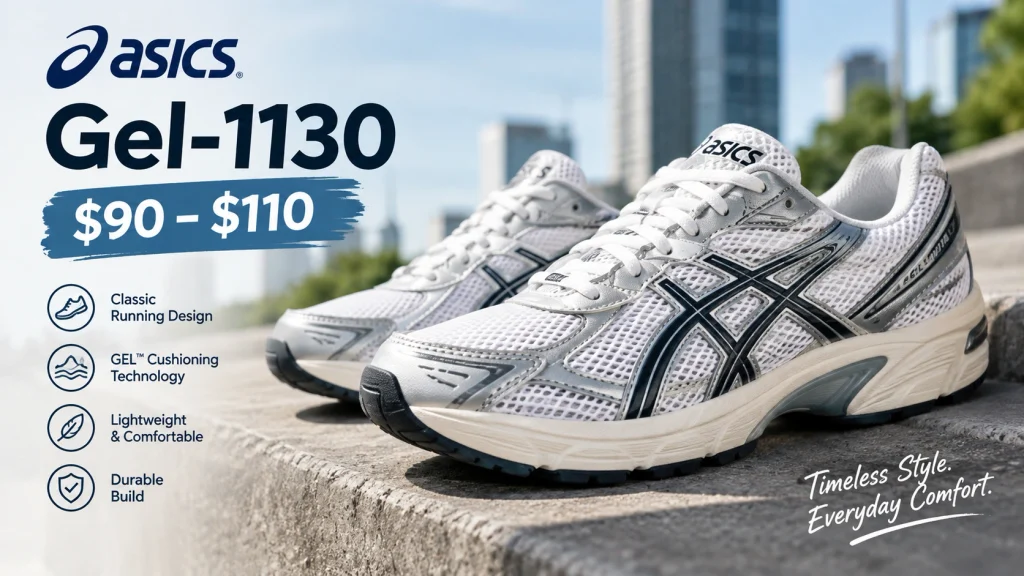
The clear top pick on this list. Genuine GEL cushioning in the heel and forefoot performs closer to shoes costing twice as much, wrapped in a clean, low-profile tech-runner silhouette that reads more sophisticated than its price tag would suggest.It’s become a cult favorite specifically because it doesn’t feel like a compromise at all — it feels like a shoe that’s simply priced lower than it should be. The build quality holds up well over extended wear, and the retro-tech aesthetic has aged into genuine style credibility rather than just nostalgia.
2. New Balance 2002R / 530 — Under $100
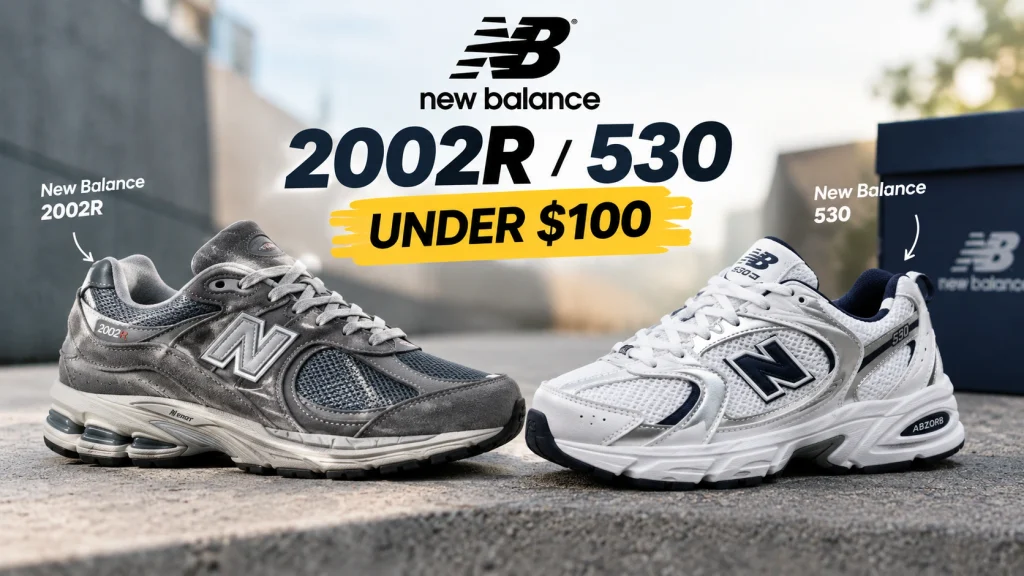
New Balance dominates the budget conversation for good reason, and these two models are consistently named the top-tier picks under the $100 mark. Premium materials — mesh, suede, ABZORB cushioning — show up in a versatile silhouette that works equally well for errands, travel days, and casual outings.The 2002R in particular has become something of a modern classic, balancing comfort, durability, and style better than most competitors in its price class. If you only want to own one all-purpose budget sneaker, this is usually the first recommendation.
3. Reebok Club C 85 — Under $100
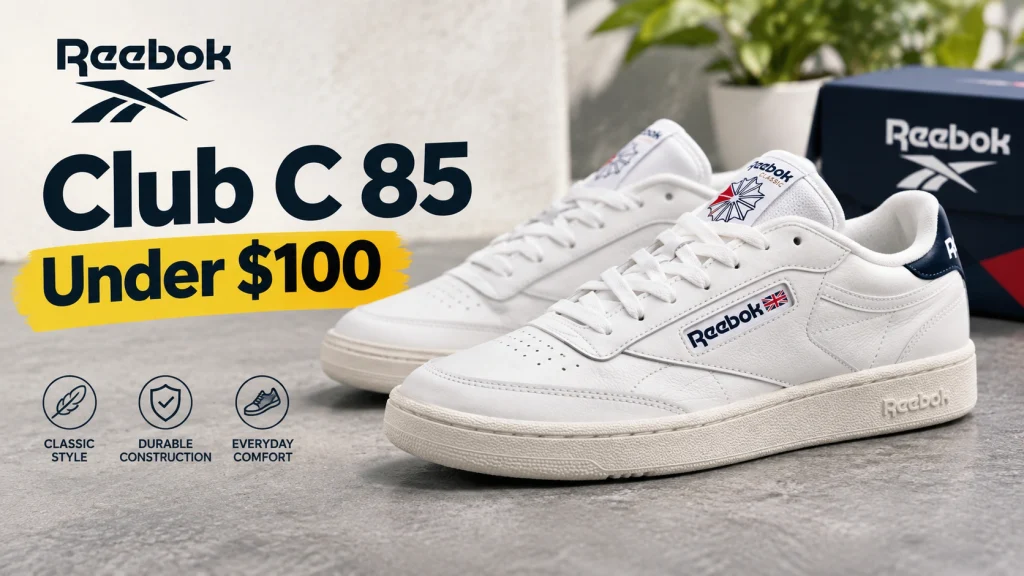
A clean, minimal tennis-inspired sneaker that reads noticeably more expensive than its price tag suggests. The simple leather upper and low-profile silhouette work just as easily with tailored trousers as they do with denim or shorts, and the shoe has a timeless enough look that it doesn’t feel tied to any particular trend cycle.It’s one of the more overlooked picks in this tier, mostly because it doesn’t have the retro-tech flash of something like the ASICS or the streetwear cachet of a Jordan — but that understated quality is exactly what makes it such a reliable everyday choice.
4. Nike Dunk Low — Around $85–$100

Post-hype pricing has made this a genuinely smart buy this year in a way it wasn’t during its peak popularity. During the height of the Dunk Low frenzy, resale prices pushed it well out of “budget” territory entirely, with pairs regularly reselling for two or three times retail. Now that the hype has settled, it’s back to being a legitimately smart purchase at or near retail price — proof that waiting out a trend cycle can be one of the single best money-saving strategies in sneaker shopping. The construction hasn’t changed; only the price relative to demand has.
5. Converse Chuck 70 — Around $85–$90
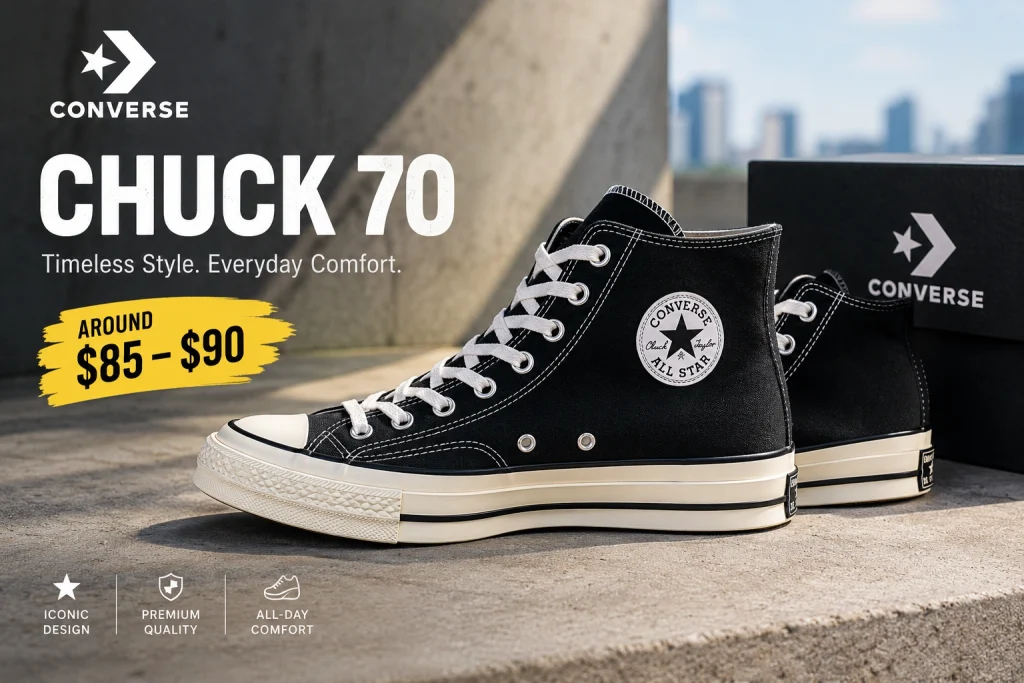
An upgrade on the standard Chuck Taylor in nearly every way that matters. Better cushioning, a sturdier canvas build, and higher foxing tape combine for a slightly more refined and durable shoe than the classic version most people grew up with.It’s slimmer and sits a little closer to the foot than a standard Chuck, giving it a more current silhouette. Black or parchment white are the go-to colorways for versatility, and at under $90, it remains one of the most stylish sneakers per dollar spent on the market — genuinely difficult to style wrong.
6. Puma Suede Classic — Under $80
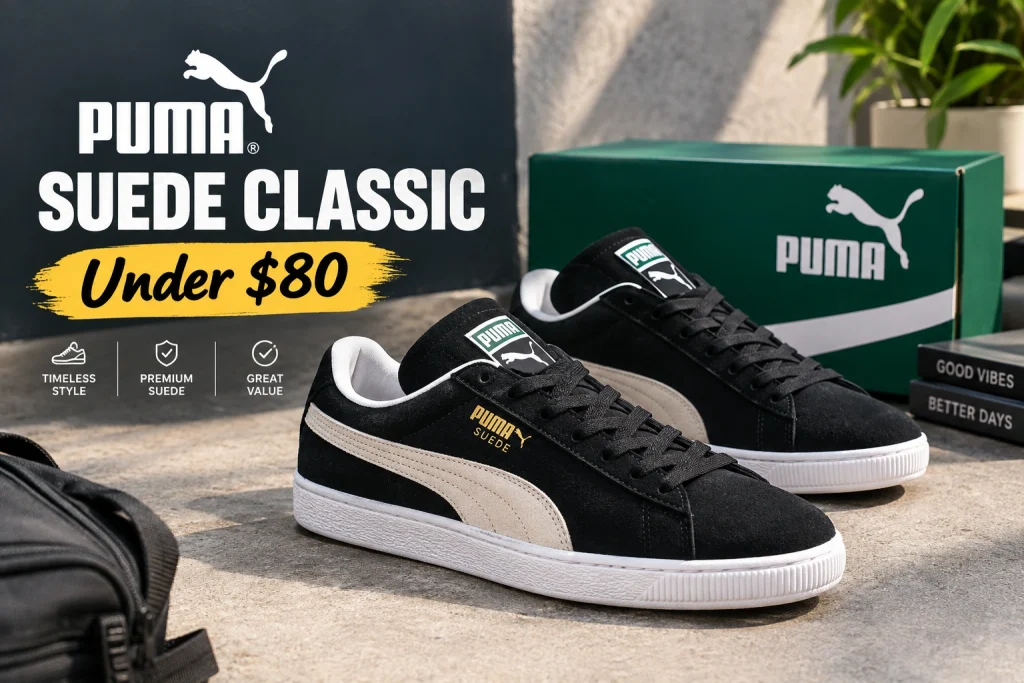
A design that’s been around since 1968 and remains one of the best-looking sneakers under $80 today. The full suede upper develops a nice patina over time rather than just wearing out, and the flat rubber sole stays comfortable through long days of walking without needing much of a break-in period. It gets overlooked in favor of flashier, more heavily marketed picks, but for anyone who actually knows sneakers, it’s a widely respected choice — understated, well-built, and quietly one of the better values in this entire list.
7. New Balance 480 — Around $100
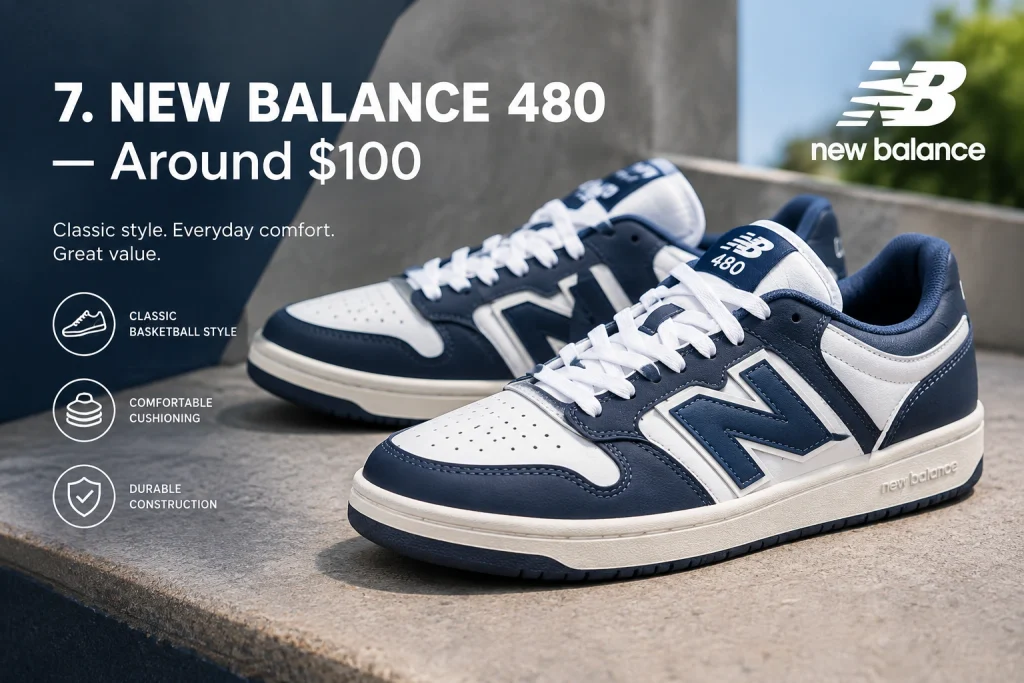
Gives you a similar court-classic look to the pricier New Balance 550, for roughly $25 less, with a slightly different design language that makes it feel like its own shoe rather than just a budget substitute.Leather upper, flat sole, and a low profile that works across both casual and smart-casual outfits.White with navy or grey accents are the safest and most versatile color combinations. If the 550 is outside your budget, or you simply want something a little less common, the 480 delivers a comparable level of quality and style for meaningfully less money.
8. Adidas Samba OG — Around $100–$120
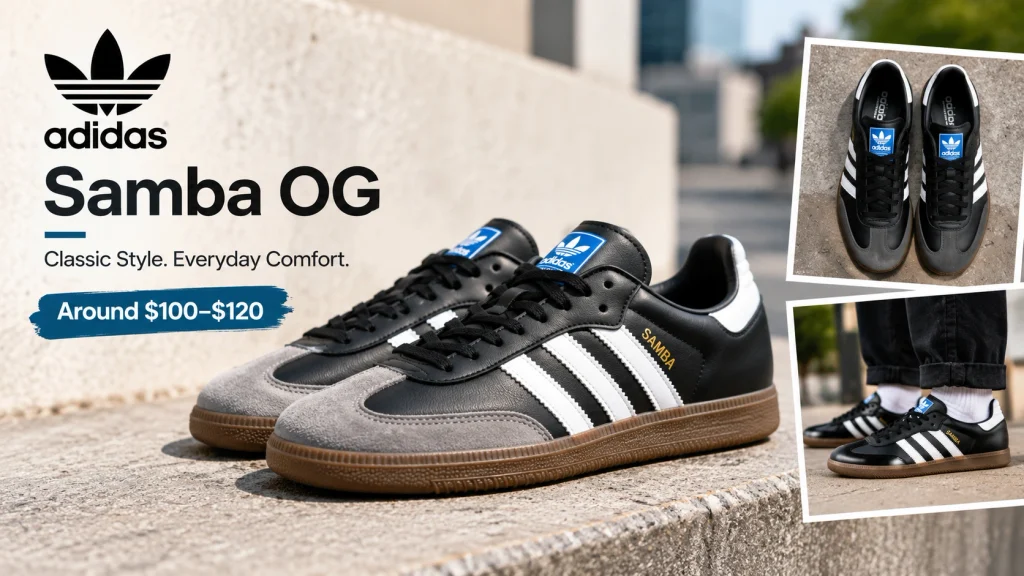
adidas has kept this silhouette relevant for decades, and it remains one of the most reliable everyday sneakers on the market today. The clean leather upper and simple profile read as expensive at a glance, working with nearly any casual outfit without effort.It’s benefited from a broader terrace-sneaker resurgence over the past couple of years, which has kept it culturally current well beyond its original niche as a football training shoe.
9. adidas Lite Racer Adapt 7.0 — Under $50
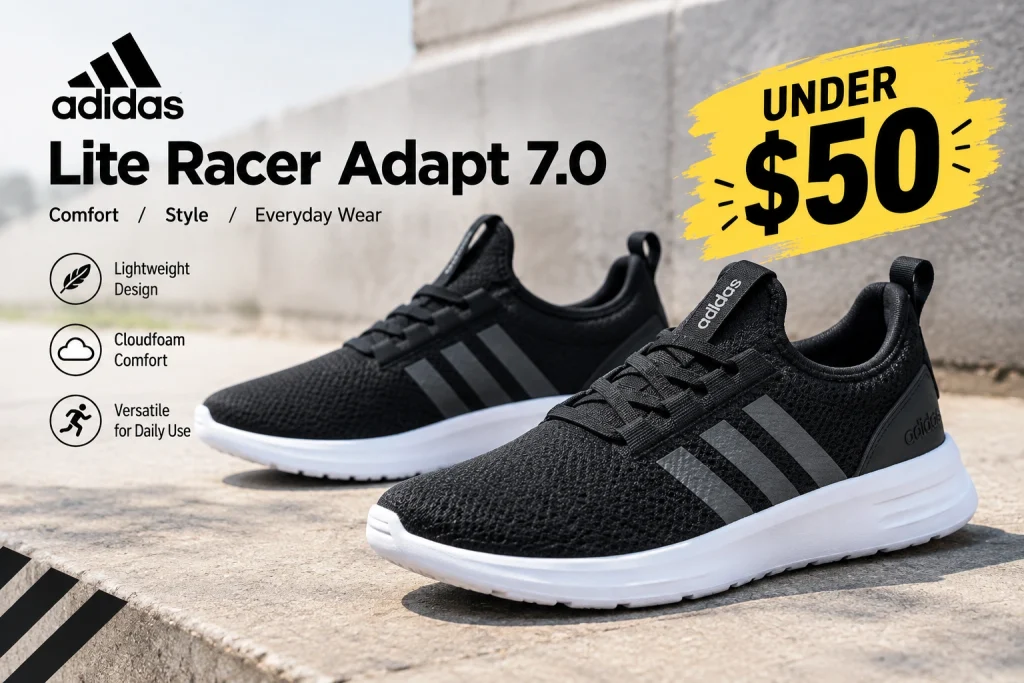
The strongest pick on this list if your budget is especially tight. It’s proof that a genuinely comfortable, wearable sneaker exists even below the $50 mark, not just in the $80–$100 range most “budget” roundups tend to focus on. It won’t turn heads, and it’s not going to hold up to years of daily heavy use the way some pricier options might, but for the price, it delivers real comfort and a clean enough look to work for daily errands and casual wear without embarrassment.
10. Nike Air Force 1 Low — Around $100–$110
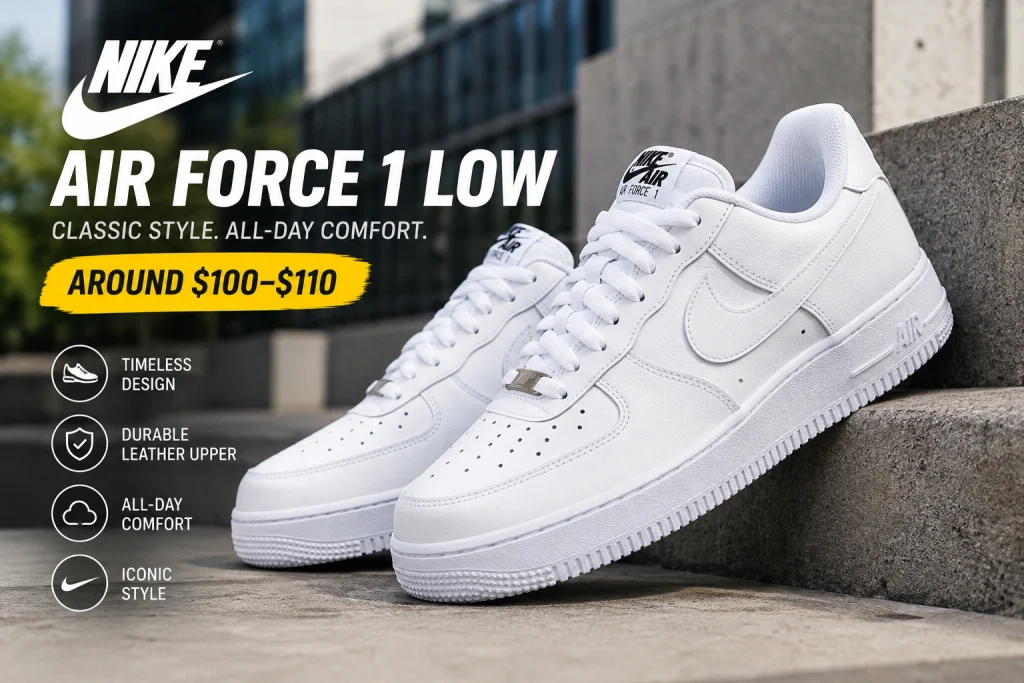
The most iconic name on this entire list, and still one of the most dependable sneakers a person can own. Durable, versatile, and compatible with almost anything already sitting in a closet, it’s the safest possible pick for anyone who wants one shoe they’ll genuinely never regret buying. It doesn’t chase trends because it doesn’t need to — it’s been a foundational sneaker for decades and shows no sign of losing relevance anytime soon.
How This Ranking Was Built
The order above weighs a few specific factors rather than just price alone: actual cushioning and comfort based on real wear rather than marketing claims, material quality relative to cost, versatility across different outfits and occasions, and how well a given shoe tends to hold up over months of regular use rather than just how it photographs in the first week. The top of this list — ASICS and New Balance in particular — earned their positions specifically because they deliver performance-level comfort at a price point that usually only buys a purely casual, non-technical shoe elsewhere.
What To Actually Look For At This Price Point
A few practical details matter more than branding when shopping in the budget tier. Mesh and knit uppers require no break-in period and tend to suit people with sensitive feet best, since they flex and mold to the foot immediately. Leather and suede uppers need a few days to soften up and adjust to your foot shape, but reward that short break-in period with noticeably better long-term durability and a more polished, put-together look over time.
Longevity expectations are also worth setting realistically before buying.Budget sneakers priced under $50 generally last somewhere between 12 and 18 months with regular daily wear. Shoes in the $50–$100 range typically stretch to 18–30 months of solid use. Anything priced above $100, cared for properly, can realistically last two to four years. Heavy daily or athletic use cuts all of these numbers down significantly regardless of price point, so it’s worth matching your expectations — and your budget — to how often you’ll actually be wearing a given pair.
Where The Real Value Gap Is Right Now
The gap between a $50 sneaker and a $150 sneaker has narrowed considerably compared to a few years ago. What actually separates the top of this ranking from the bottom isn’t simply price — it’s which brands have figured out how to deliver real cushioning, durable materials, and thoughtful construction without needing premium pricing to justify it. ASICS and New Balance currently lead that particular race, consistently punching above their price point in a way that’s made them the default recommendation across nearly every budget sneaker roundup this year.
The Bottom Line
There’s a legitimately good sneaker option available at nearly every price point covered in this list, from under $50 all the way up to the $150 mark. The smartest way to shop this category isn’t hunting for the single cheapest shoe you can find — it’s identifying which specific, well-reviewed pair actually matches how you plan to use it, whether that’s running errands, working a job that keeps you on your feet all day, or simply building out a reliable everyday rotation that won’t need replacing every few months. Budget no longer has to mean disposable, and this ranking is proof of exactly how far that shift has come.

