


A
sk ten runners which shoe they’d pick if they could only own one, and most won’t name a carbon-plated racer. They’ll name a daily trainer. It’s the shoe that handles easy runs, recovery days, the occasional tempo session and a lot of ordinary Tuesday mornings.
In 2026 the choices are better than ever, which also makes them harder to sort through. This guide covers what a daily trainer should do, which models keep showing up in testing and how to choose one that suits you.
What A Daily Trainer Is Supposed To Be
A daily trainer is the workhorse of your shoe rotation. It should be comfortable enough for easy miles, durable enough to last for months and versatile enough that you don’t have to think about it before heading out.
It isn’t the lightest shoe or the fastest one. It’s the one that gets you out the door consistently, which matters far more than any single speed session. Most testers and retailers agree that this is the best place for most runners to spend their money, since it carries the bulk of your weekly mileage.
The Models Worth Knowing In 2026
Different reviewers rank shoes differently, and new versions arrive quickly, so treat any list as a starting point. Still, a handful of names come up again and again.
Saucony Ride. A frequent pick for best all-rounder. It feels smooth, stable and dependable across a wide range of runs, which makes it a smart choice if you only want one pair.If you’re shopping, check whether the 18 or a newer update is on the shelf.
Nike Vomero. Running Warehouse named the Vomero 18 its best standard daily trainer for 2026, and the Vomero Plus is its premium pick.Both aim for plush, cushioned comfort.
Brooks Ghost. Often described as the dependable, no-surprises option. It isn’t flashy, but it’s reliable, and it suits runners who want a shoe that simply works.
HOKA Clifton. A soft, cushioned ride with a rocker shape that rolls you forward.A good choice if you like a generous, comfortable feel under your foot.
ASICS Novablast and Nimbus. The Novablast is bouncy and lively, and testers keep placing it among their favorites.The Nimbus is the plusher, more cushioned option for longer easy miles.
New Balance 880 and 1080. The 880 is a solid, affordable daily option, while the 1080 sits in the premium, comfort-first category.
adidas Evo SL. Called a faster daily trainer, it suits runners who want something lighter and livelier without moving into a full performance shoe.
If You Need Stability
Some runners need a little extra support, particularly if their feet roll inward or tire late in a long run. Running Warehouse picked the Brooks Adrenaline 25 as its best stability daily trainer, and other reviewers like the Brooks Glycerin GTS and the Nike Structure.
If you’re not sure whether you need stability, you probably don’t. Neutral shoes suit most people. A gait analysis at a specialist running shop can help if you’re curious, and it usually costs nothing.
What To Look For
Model names matter less than how a shoe feels on your foot. These are the things to check.
Cushioning. Soft and plush isn’t automatically better. Some people prefer a firmer, more connected ride. Try both and notice which one you’d happily wear for an hour.
Weight. One useful guide puts the sweet spot for daily comfort at around 240 to 290 grams. Much heavier and the shoe can feel sluggish.Much lighter and it may give up durability.
Fit. There should be about a thumb’s width of space in front of your longest toe, a secure heel and enough room across the forefoot. Feet swell during runs, so try shoes on in the afternoon if you can.
Durability. Check the outsole rubber. A decent daily trainer should last roughly 400 to 600 miles, depending on your weight, running style and surface.
Drop and geometry. Drop is the height difference between heel and toe. Most daily trainers sit in a middle range, but some runners prefer lower, more natural shapes.If you’re switching from something very different, make the change gradually.
Matching A Shoe To Your Running

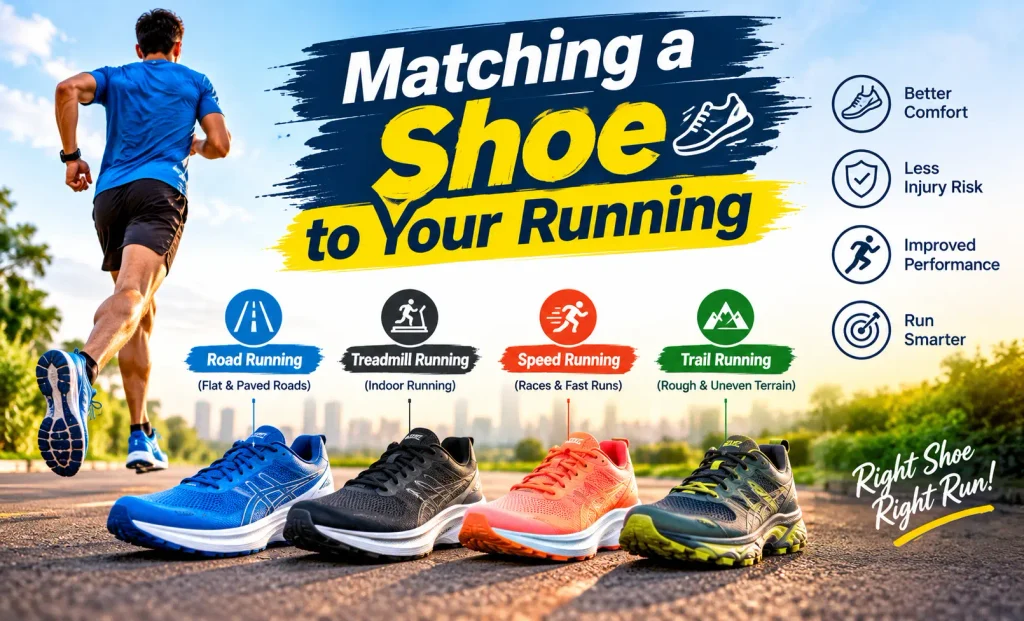
Think about how you actually run.
If you’re a beginner, choose something cushioned, stable and forgiving. A Ride, Ghost or Clifton fits that description well, and comfort will keep you motivated.
If you run a lot of easy miles and occasionally push the pace, a bouncier, lighter option like the Novablast or the Evo SL can keep things interesting.
If you mostly do long, slow runs, a cushioned shoe such as the Nimbus or a Clifton can help your legs feel fresher.
If you’re training for a 10K or a half marathon, a versatile trainer that handles both easy days and steady efforts is ideal. Many runners are happy with one good shoe for most of their training.
Should You Own More Than One Pair?
You don’t have to but it can help. Many coaches suggest rotating a comfortable daily shoe with a lighter one for faster sessions. Some studies link rotation with fewer injuries, though that’s an association and not proof, so don’t feel pressured to buy two pairs.
If your budget is tight, one solid daily trainer covers nearly everything. Add a second pair later if you want variety or have a specific goal in mind.
When To Replace Them
Don’t wait until the shoes fall apart. Signs that it’s time include flattened midsoles that feel dead underfoot, worn-through outsole rubber and new aches in your legs or feet that you can’t explain.Writing the purchase date on the insole, or tracking mileage in your running app, makes it easier to know when you’re approaching the end.
Shopping Smart
Daily trainers are often discounted when the next version arrives, and last year’s model is usually close to identical. If you find your size in a previous version at a lower price, it’s often a bargain.
Buy from a retailer with a decent return policy, and run in the shoes indoors for a few minutes before committing. If something rubs or feels off straight away, it won’t improve with time. And be wary of choosing purely on reviews. A great shoe for someone else can be wrong for your foot.
Final Thoughts
The best daily trainer in 2026 isn’t one particular model. It’s the shoe that fits your foot, feels good on your usual runs and lasts long enough to justify the price.Reliable names like Saucony, Brooks, Nike, HOKA, ASICS and New Balance all make excellent options, and the differences between them are often small.
Try a few, trust how they feel and choose the pair you’re happiest to lace up. The best shoe is the one that keeps you running.