


F
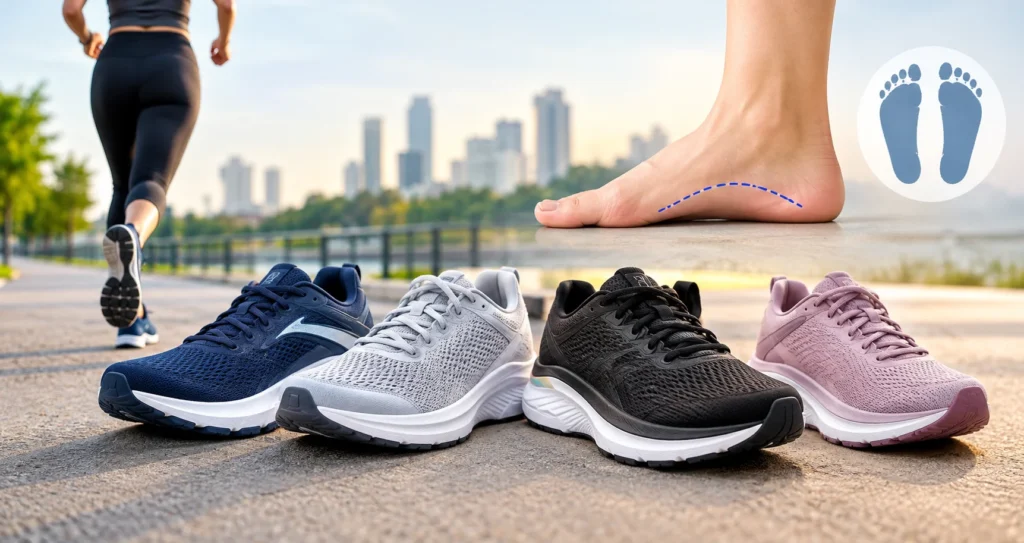
lat feet don’t automatically mean you need a special shoe.Plenty of runners with low arches run happily in ordinary cushioned trainers.But if your arches collapse inward as you run, which runners call overpronation, or you get sore arches, shins, or knees after longer runs, the right shoe can make a real difference. Here’s how to sort through the options.
Flat Feet And Overpronation Aren’t The Same Thing
This distinction trips up a lot of shoppers. Having flat feet describes the shape of your arch. Overpronation describes how your foot moves when it lands. As Alastair Running points out, the two aren’t identical, and some flat-footed runners don’t overpronate much at all. Running With Joe makes the practical point: if you have no pain and feel good in neutral shoes, you may not need a stability shoe at all.
For everyone else, most reviewers agree that stability shoes are the best starting point. According to Shoe Station, these blend traditional cushioning with subtle support features that guide the foot without feeling stiff.
Best Overall: Brooks Adrenaline GTS

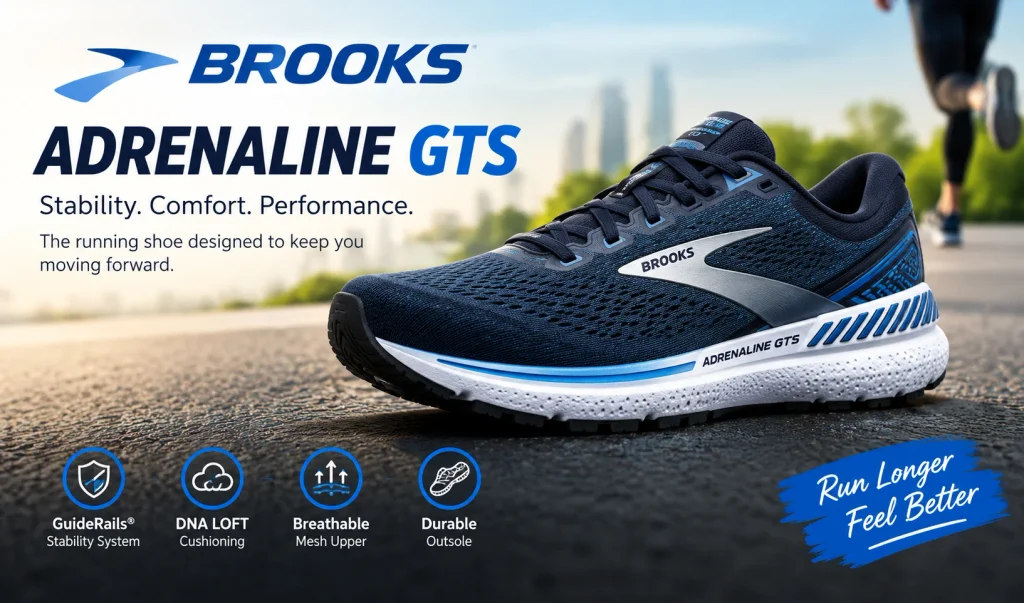
If you only look at one shoe, make it this one. The Brooks Adrenaline GTS appears at or near the top of nearly every list for flat feet. It uses Brooks’ GuideRails system, which gently keeps your foot from rolling too far inward without forcing it. Run & Become calls it a best seller with a wide range of width fittings, including extra wide in men’s sizes. Running With Joe calls it the safest place to start if you overpronate and are in pain.
Best For Plush Stability: ASICS Gel-Kayano

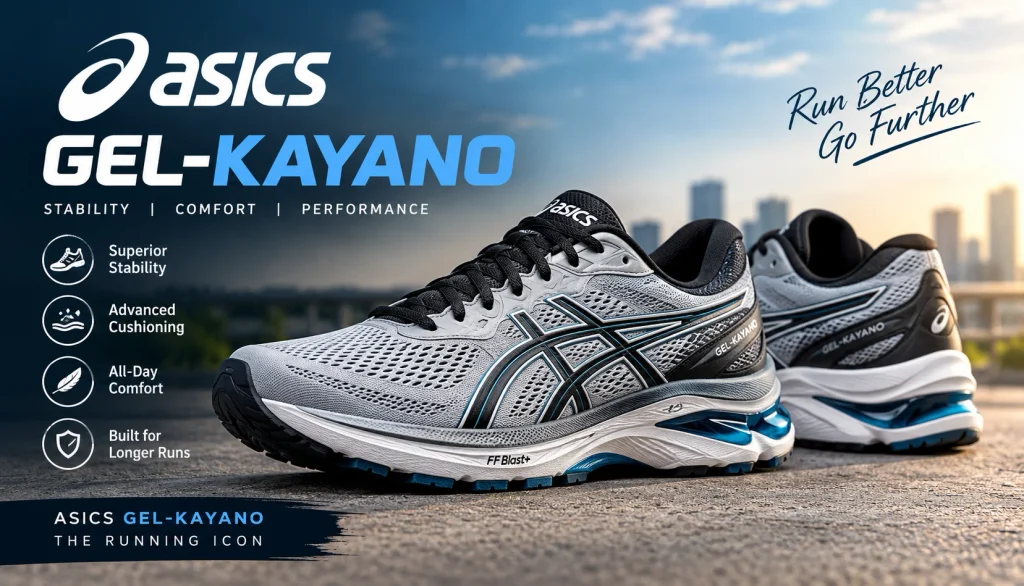
For runners who want maximum cushioning along with strong support, the ASICS Gel-Kayano 32 is a favorite. Its 4D Guidance System responds to your stride, and Alastair Running notes the soft but responsive ride gives noticeable correction for overpronation without feeling intrusive.
Best Value Stability: ASICS GT-2000

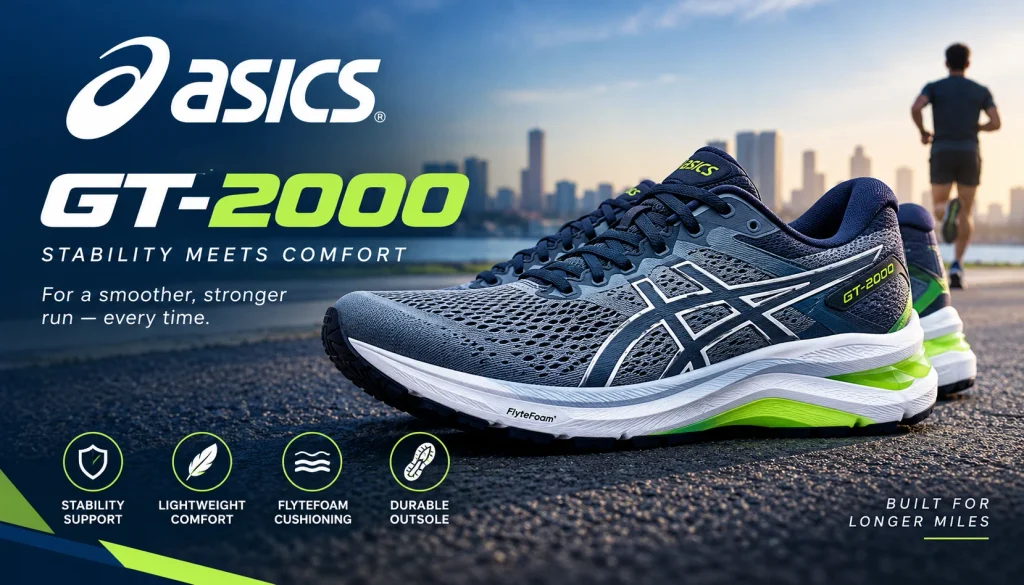
The ASICS GT-2000 offers mild to moderate stability and works for both running and all-day wear, which suits people who are on their feet a lot. It’s a good step down from the Kayano in price and plushness.
Best For Wide Feet And Daily Miles: New Balance 860

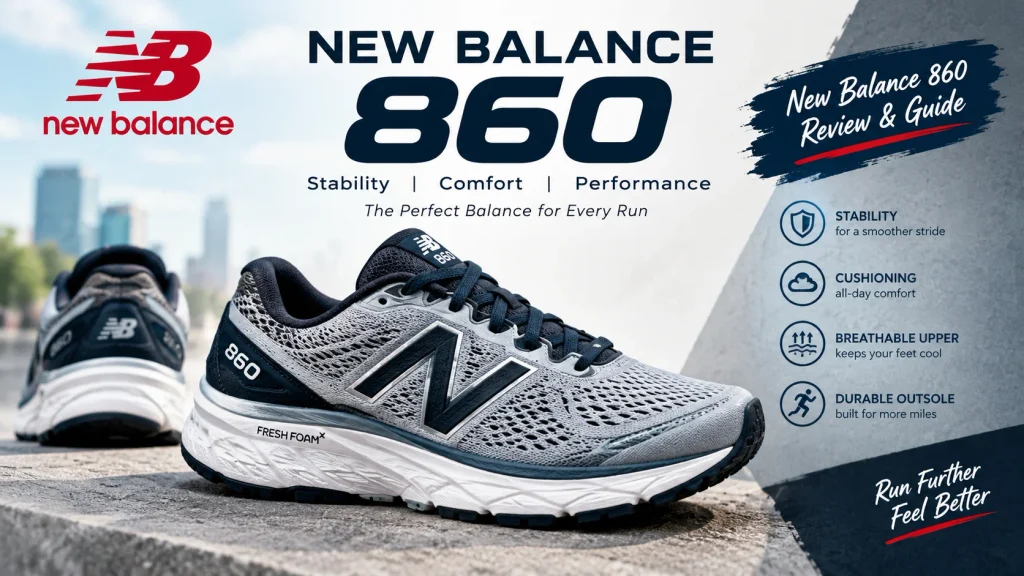
The New Balance Fresh Foam X 860 is designed for runners who need stability. Marathon Sports calls it an excellent choice for daily runs or walks, and Run & Become highlights its width options and 6 mm drop.
Best For Arch Support: Saucony Guide And Hurricane
The Saucony Guide gets praise for springy cushioning, a lower 6 mm drop, and width options.Alastair Running recommends it to runners who aren’t sure they need stability at all, since it’s a gentler introduction. If you want more support, Run to the Finish points to the Saucony Hurricane as the pick that delivers the most support for flat feet.
Best Cushioned Stability: Brooks Glycerin GTS And HOKA Arahi
If the Adrenaline feels too firm, the Brooks Glycerin GTS gives the same kind of stability with more underfoot cushioning. One caveat from Marathon Sports: the toe box is quite narrow, so it’s not ideal for wide feet. The HOKA Arahi is another cushioned option built on HOKA’s H-Frame stability design, and Run to the Finish lists it as its pick for a wider toe box.
Best For A Springier Feel: On Cloudflyer
If traditional support shoes feel stiff, the On Cloudflyer 5 is worth a look.It has a wider base designed to limit inward rotation, plus On’s CloudTec cushioning, which Marathon Sports credits with soft landings that matter for flat-footed runners. Running With Joe suggests On for people with mild overpronation who dislike firm, traditional support.
How To Pick The Right One For You
A few practical points help narrow the field:
- Try them on late in the day, when your feet are slightly swollen, and leave about a thumb’s width in front of your longest toe.
- Check the width options. Flat feet are often wider, so brands that offer multiple widths, like Brooks, New Balance, and Saucony, give you more room to find a good fit.
- Don’t assume more support is better.Too much correction can feel stiff and uncomfortable. Start with mild stability and move up only if you need to.
- Budget around $140 to $180. Running With Joe notes this range is the sweet spot for stability shoes, with proven support technology and durable foam.
When To See A Professional
If you have persistent pain in your arches, heels, shins, or knees, shoes alone may not be enough.A podiatrist or a specialty running store with gait analysis can tell you whether you need a stability shoe, an insole, or something else. Some runners benefit from orthotics paired with a stability shoe, but that’s a decision best made with a professional, not from a shopping list.
The Bottom Line
For most runners with flat feet, a stability shoe like the Brooks Adrenaline GTS, ASICS Gel-Kayano, or New Balance 860 is the safest bet.If you’re comfortable in neutral shoes, you may not need one at all. Whichever you choose, prioritize fit and comfort over specs, and pay attention to how your feet feel after a few runs, since that’s the real test.