

T
he Cortez doesn’t really need an introduction at this point, but it still earns one. Introduced in 1972 by Nike co-founder Bill Bowerman for the Munich Olympics, it was Nike’s first track shoe to feature a full-length midsole — a genuine technical leap at the time that gave athletes noticeably more comfort and stability than anything else on the market. Over five decades later, it’s still in steady rotation, still getting fresh colorway releases on a regular schedule, and still one of the more polarizing “do you get it or not” sneakers in Nike’s entire lineup. Here’s a full, detailed breakdown of where it stands right now, covering comfort, materials, fit, current releases, styling, and overall value.
A Brief History Worth Knowing
The Cortez’s design lineage matters for understanding why it still holds up today.It was originally developed as a genuine performance running shoe for competitive athletes, not as a lifestyle piece designed from the outset for streetwear. That running-shoe origin is exactly why it still carries noticeably more cushioning and a taller heel profile than most terrace-style retro competitors, which were built for football pitches and indoor courts rather than distance running.
Its crossover into mainstream culture happened gradually and then very publicly. It was worn on screen by Farrah Fawcett in Charlie’s Angels, and most famously by Tom Hanks throughout Forrest Gump, cementing a cultural resonance that extended well beyond its original athletic purpose. That documented cultural history is part of what separates the Cortez from sneakers currently riding a single viral trend — it’s survived multiple full fashion cycles already, and continues coming back into relevance rather than fading permanently after one moment.
Comfort: 4 Out Of 5
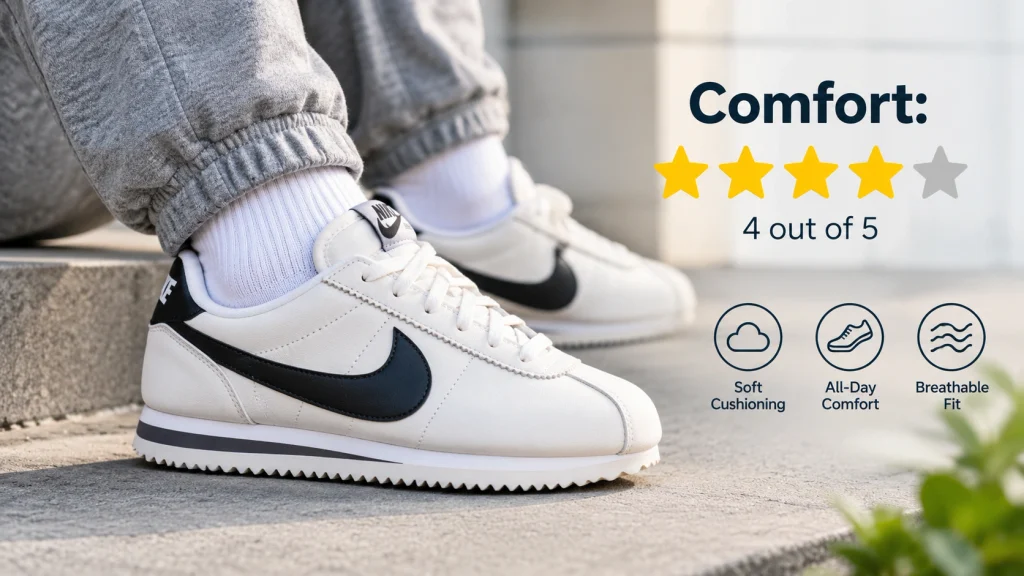
The cushioning holds up genuinely well for a shoe with this much history behind it.The EVA midsole, paired with the shoe’s signature wedge insert, delivers comfortable all-day wear suited for walking, errands, and general casual use. But it’s worth being clear-eyed about what the shoe isn’t built for. As ShoesTrace notes in its detailed review, the Cortez isn’t recommended for running or intense gym training — it lacks the specialized cushioning and support systems needed for that kind of activity, since it’s designed today as a lifestyle and casual sneaker with a flatter, more minimal midsole rather than a true performance running shoe in its current form. If you’re looking for a shoe to actually train in, this isn’t the pick; if you want something comfortable for a full day on your feet doing everyday activities, it performs well.
Materials And Build Quality
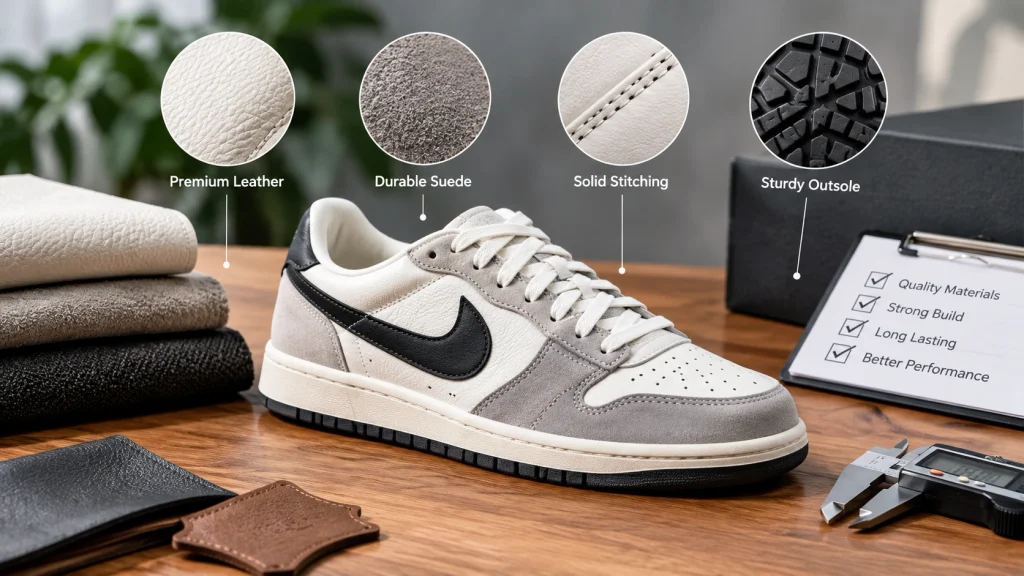
Construction varies meaningfully depending on the specific colorway you choose, which is worth knowing before buying. Leather versions offer a more premium, durable feel that develops a genuine patina with regular wear — the kind of aging that some buyers specifically want in a heritage sneaker rather than something that stays artificially pristine. Nylon versions, by contrast, run noticeably lighter and more breathable, making them a better choice for warmer climates or for buyers who prioritize a lighter shoe over the polished look of leather.
Both material options are built to handle regular daily wear without significant degradation over a reasonable period. Newer iterations of the shoe, including the current women’s version sold directly on Nike.com, feature a wider toe area and firmer side panels compared to older releases — specific updates made to reduce warping and improve comfort over extended daily wear, addressing some of the fit complaints that circulated around earlier versions of the shoe.
Sizing And Fit

This remains the single most consistent point of feedback across reviews and buyer comments, and it’s worth taking seriously before ordering. Nike doesn’t typically offer the Cortez in a dedicated wide-width option, since the shoe is designed around a relatively standard, somewhat narrow width profile. Some colorways do fit slightly roomier depending on the specific materials and construction used in that particular release, so checking reviews for the exact colorway you’re considering — rather than assuming all Cortez releases fit identically — is worth the extra few minutes before checkout.
If you have wider feet, sizing up half a size is the most commonly recommended fix, though this isn’t a guaranteed solution for everyone. Exploring other Nike lifestyle models with dedicated wide-width options may ultimately be the more comfortable route if half-sizing up still doesn’t solve the issue for your specific foot shape.
What’s New For 2026

This has been a genuinely active year for Cortez releases, with several notable drops worth knowing about if you’re considering a purchase. A “Triple Black Polka Dot” colorway is set for Summer 2026, adding polished circular overlays across a leather upper alongside suede paneling on the toe box and eyestays. It’s subtle texture rather than a dramatic redesign — the underlying silhouette stays fully intact, with the added detailing providing just enough visual interest to distinguish it from a standard all-black colorway.
Nike’s Serena Williams Design Crew also released a two-colorway Cortez pack for Spring 2026, described by SneakerBarDetroit as focused on fabric and mood rather than altering the shoe’s underlying shape. The pack features premium leather builds in controlled palettes — dark green paired with cream on one option, off-white balanced with black on the other — along with pebbled Swoosh detailing featuring zigzag edges and metallic bow-shaped lace charms for a more refined, almost jewelry-like finishing touch. Both releases keep the shoe fully recognizable while subtly repositioning it through finish and color choices rather than structural changes.
It’s worth noting that pricing on several of these 2026 releases, including both the Triple Black Polka Dot and SWDC collaboration packs, remained listed as “TBA” or “TBD” at the time of their initial announcement — a common pattern for limited or design-crew collaborations, where final retail pricing is typically confirmed closer to the actual release date.
Styling And Versatility

The Cortez has genuine range as an everyday sneaker, which is a large part of why it’s remained relevant across so many different fashion eras.It pairs comfortably with straight-leg jeans, joggers, shorts, and even tailored trousers for a slightly dressed-up casual look, without requiring much additional styling effort to look intentional. Its cultural footprint reinforces this versatility — a shoe with this much documented history across film, television, and street culture tends to read as a classic choice regardless of what’s currently trending, rather than something that risks looking dated or out of place in a few seasons.
Pricing
Retail pricing for standard colorways generally stays quite affordable relative to the shoe’s cultural standing. Leather versions have been available for as low as $76, and most of the standard lineup lands comfortably under $100 at retail. Limited or collaborative releases — including past sacai collaborations and other special editions — can command significantly higher prices on the resale market, with some rare colorways reaching several hundred dollars depending on demand and scarcity at any given time.
For anyone shopping the standard retail lineup rather than specifically chasing a limited collaboration, the Cortez remains one of the more reasonably priced heritage sneakers currently available, especially compared to competitors riding similar levels of cultural relevance and hype.
Maintenance And Longevity
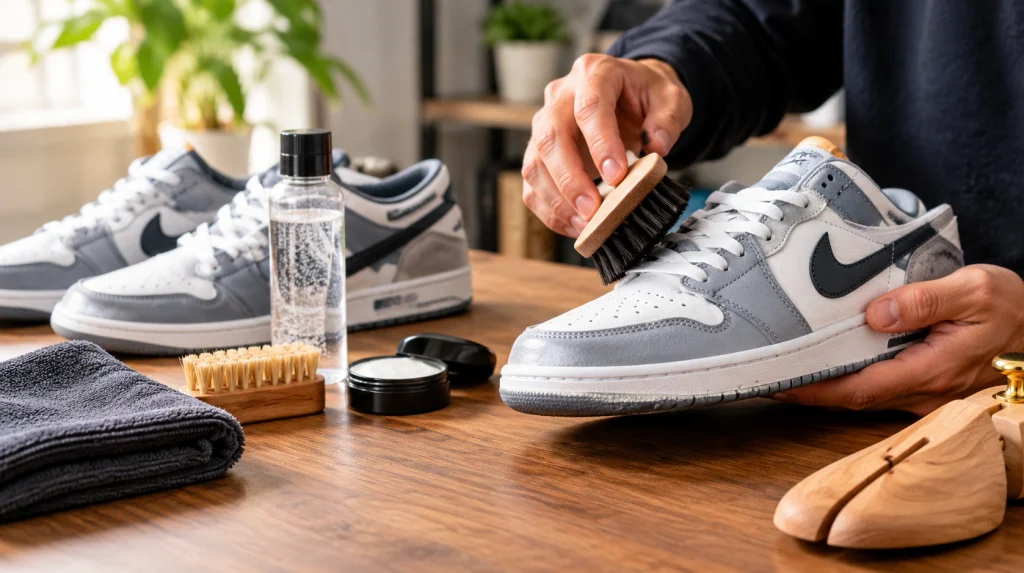
Leather versions benefit from occasional conditioning to maintain their patina and prevent cracking over extended periods of wear — a small amount of regular care goes a long way with this material. Nylon versions are generally lower-maintenance overall and easier to spot-clean when they pick up everyday dirt or scuffs. Regular light cleaning, regardless of which material you choose, extends the usable life of the shoe significantly compared to letting dirt and buildup accumulate over months of wear without any upkeep.
Common Questions Worth Addressing

Can you wear the Cortez for running or gym workouts? No — as covered above, it’s not built with the specialized cushioning and support that dedicated athletic activity requires. It’s a lifestyle and casual shoe first, despite its running-shoe origins from decades ago.
Does it come in a wide-width option? Not as a standard offering. Some colorways run roomier than others depending on construction, but there’s no dedicated wide-width line the way some other Nike lifestyle models offer.
What’s the difference between leather and nylon versions? Leather offers a more premium feel and develops character over time through patina, while nylon is lighter, more breathable, and generally lower-maintenance day to day.
Pros And Cons Summary

Pros: Genuinely comfortable for all-day casual wear, wide range of colorways with regular new releases throughout the year, reasonable retail pricing relative to its cultural standing, real documented design history that gives it lasting relevance beyond any single trend cycle, versatile enough to work across both casual and slightly dressed-up outfits.
Cons: No dedicated wide-width option available, a narrow fit overall that requires careful attention when ordering online without trying it on first, not suitable for running or serious athletic training despite its running-shoe origins, and limited or collaboration releases can become genuinely expensive on the resale market compared to standard retail colorways.
The Verdict
The Cortez continues to earn its reputation in 2026, not through nostalgia alone but through genuinely solid day-to-day comfort, reasonable and accessible pricing, and a steady stream of new colorways and design collaborations that keep it feeling current without ever abandoning what made it recognizable in the first place.It’s not a technical performance shoe, and it’s not the right pick specifically if you need a dedicated wide fit — those are real, legitimate limitations worth weighing before buying. But as an everyday lifestyle sneaker with real, documented staying power across more than five decades of continuous relevance, it remains one of the more dependable and genuinely worthwhile choices in Nike’s entire current catalog.

