

A
sneaker sticking around for over fifty years raises an honest question: is it still good, or is it just still around? Plenty of products survive on nostalgia alone, propped up by brand recognition rather than actual quality.The Cortez gets asked about this more than most, mostly because it never fully disappeared and never fully dominated either — it’s just quietly persisted through decade after decade of changing trends. So it’s worth answering directly: does it actually hold up in 2026, or is its reputation doing more work than the shoe itself?
Where It Came From, And Why That Still Matters
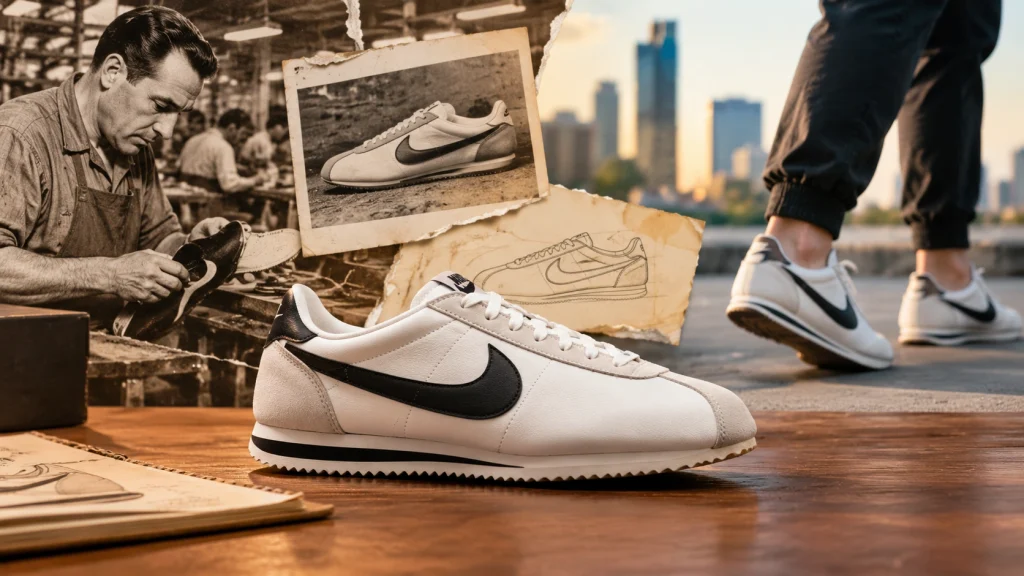
The Cortez debuted in 1972, designed by Nike co-founder Bill Bowerman for the Munich Olympics. It was Nike’s first track shoe to feature a full-length midsole, which was a genuine technical breakthrough at the time — most running shoes before it offered far less cushioning and support. That running-shoe DNA is still baked into the current version: a taller heel, a curved sole profile, and noticeably more cushioning than a lot of its flatter, terrace-style competitors that were originally built for football pitches rather than distance running.
That history isn’t just trivia. It’s part of why the shoe still performs the way it does today. A design built around genuine athletic function, rather than one repurposed after the fact into a lifestyle shoe, tends to age differently — and in the Cortez’s case, that’s mostly worked in its favor.
Comfort: Still Genuinely Good

This is really the core of the “is it still good” question, and the honest answer is yes, with a caveat.The EVA midsole and the shoe’s signature wedge insert deliver comfortable, cushioned support for all-day walking and casual wear. Reviewers consistently describe it as a comfortable everyday shoe, not just a comfortable-looking one.
The caveat: it’s not built for running or intense training anymore, despite its running-shoe origins. It’s designed today as a lifestyle and casual sneaker, with a flatter, more minimal midsole than what serious athletic activity actually requires. If you’re expecting Cortez-level comfort to translate into performance-level support for a workout, it won’t. But for what most people actually use it for — errands, daily wear, a comfortable shoe that looks intentional — it remains genuinely solid.
Build Quality: Depends On The Version
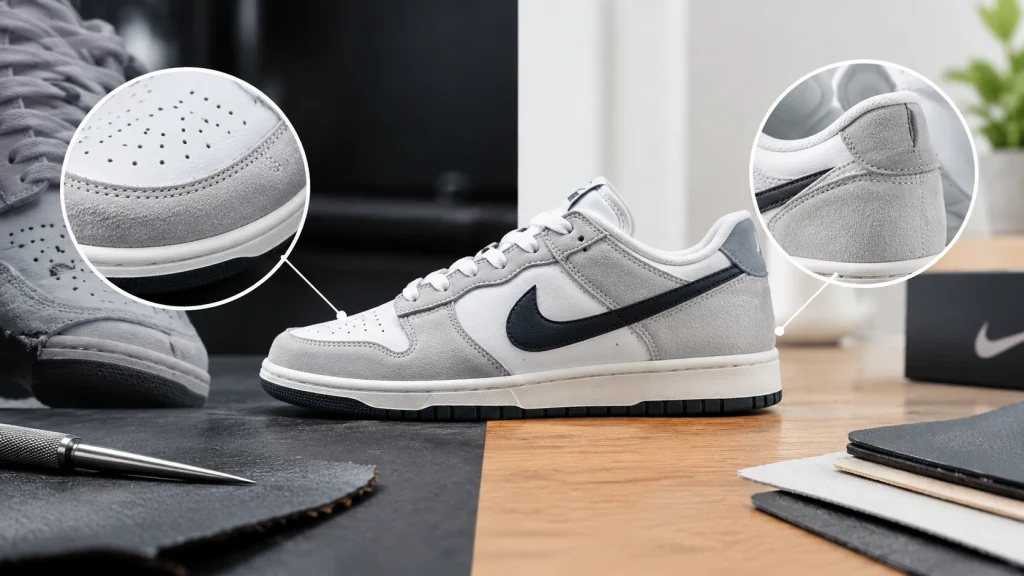
Construction varies depending on which specific colorway or material version you buy, and that variation matters for how “good” the shoe feels in practice.Leather versions offer a more premium, durable feel that develops real character over time as it breaks in and patinas. Nylon versions run lighter and more breathable, trading some of that premium feel for a lighter, more casual everyday shoe.
Newer releases have also quietly improved on some of the shoe’s historic weak points. Current iterations feature a wider toe area and firmer side panels compared to older versions, specifically addressing warping issues and improving comfort over extended daily wear. That’s a meaningful detail — it means the current Cortez isn’t just an unchanged relic being sold on nostalgia; it’s actually been refined over the decades while keeping its recognizable silhouette intact.
The Fit Problem That Hasn’t Gone Away

If there’s one consistent knock against the Cortez, it’s sizing. Nike doesn’t offer it in a dedicated wide-width option, and the shoe runs on the narrower side overall.This has been a persistent complaint across buyer reviews for years, and it hasn’t fully been resolved despite other improvements to the shoe’s construction. Some colorways fit slightly roomier than others depending on materials, but there’s no consistent fix across the whole lineup.
If you have wider feet, this is worth taking seriously rather than assuming it’ll work out. Sizing up half a size is the most common workaround, though it doesn’t solve the issue for everyone. It’s the one area where “still good” comes with a real asterisk — the shoe hasn’t kept pace with the wider-fit options a lot of competitors now offer as standard.
Is It Still Culturally Relevant, Or Just Familiar?

This matters more than people give it credit for for a shoe this old. A design can be well-made and still feel irrelevant if nobody’s actually wearing or referencing it anymore. That’s not the case here. The Cortez continues to show up regularly on celebrities and in current fashion coverage, and Nike itself continues investing in the silhouette with genuinely new releases rather than just reissuing the same handful of colorways on repeat.
2026 specifically has been an active year for the shoe. A “Triple Black Polka Dot” colorway is releasing for summer, adding polished circular overlays and suede paneling to the toe box without disrupting the shoe’s historic shape. Nike’s Serena Williams Design Crew also released a two-colorway pack earlier in the year, featuring premium leather builds with pebbled Swoosh detailing and metallic bow-shaped lace charms — a more elevated, fashion-forward take on the same underlying design. That level of continued design investment is a genuine signal. Brands don’t put real effort into refreshing a shoe that’s lost cultural relevance; they quietly discontinue it instead.
How It Compares To What’s Currently Popular
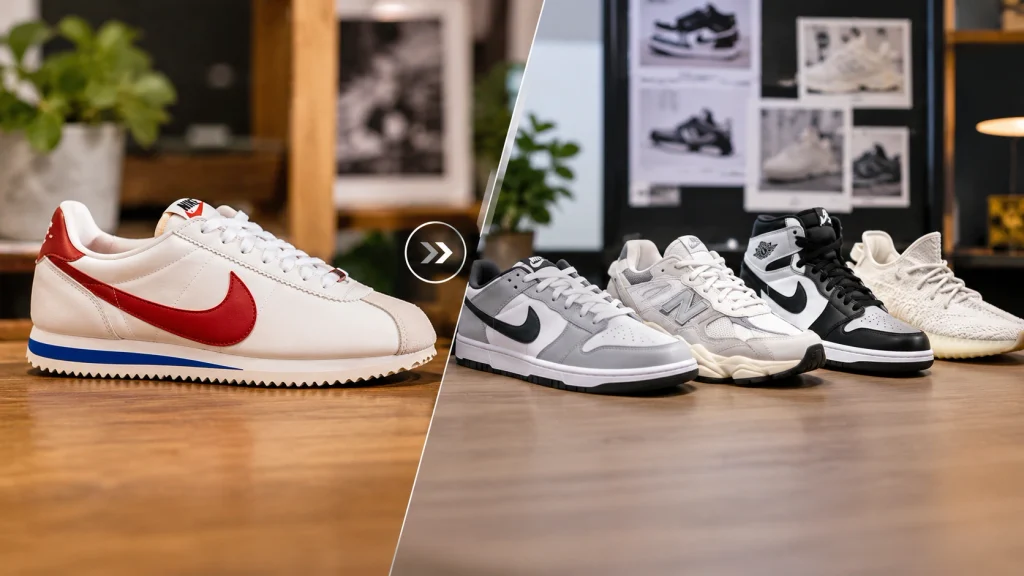
Context matters here too. The retro sneaker category has gotten crowded, with the Adidas Samba dominating for a long stretch before fatigue started setting in and pushing buyers toward alternatives. In that landscape, the Cortez has held its position as one of the strongest heritage picks specifically because of its documented cultural history and genuinely comfortable build — not simply because it’s older than the competition.
It’s not the closest match if you’re trying to replicate the Samba’s exact low-profile, gum-soled look; shoes like the Nike Killshot 2 sit closer to that specific aesthetic. But for buyers who want a versatile, comfortable, historically significant shoe rather than the most visually similar Samba substitute, the Cortez remains a genuinely strong option rather than a fallback pick.
Price: Still One Of Its Strongest Arguments
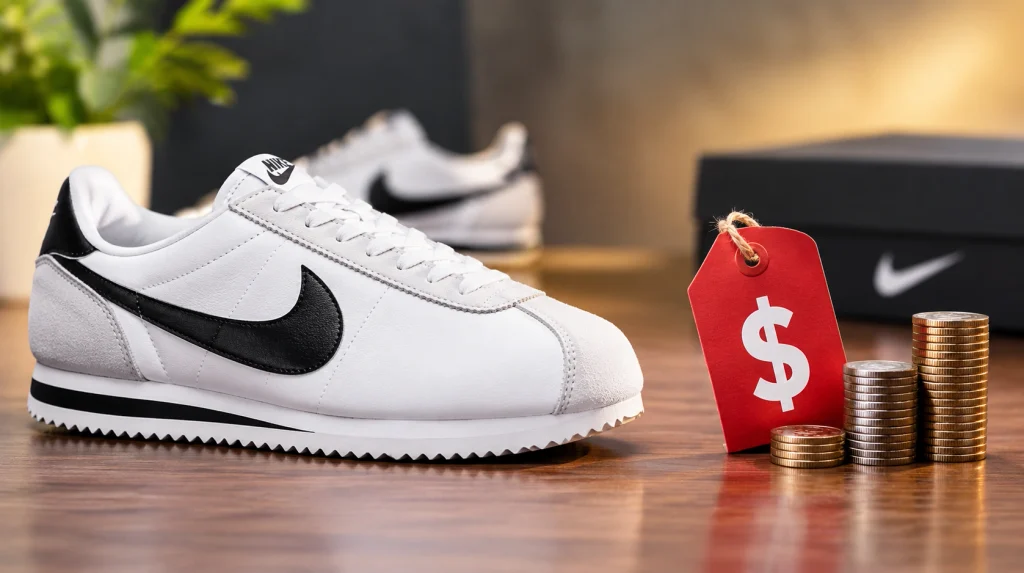
Whatever else changes, the Cortez has remained remarkably affordable relative to its cultural standing. Leather versions are available as low as $76, and the standard lineup generally stays comfortably under $100. That’s meaningfully cheaper than a lot of currently hyped retro sneakers, some of which have seen inflated resale pricing during peak demand periods. Limited collaborations can run higher, but the standard retail lineup remains accessible, which is a real point in its favor when weighing whether it’s “still good” relative to its price.
Where It Falls Short

To be fair, it’s not a perfect shoe.Beyond the sizing issue already covered, it’s genuinely not suited for athletic performance despite its running-shoe origins, which can be a point of confusion for buyers who assume a shoe with that history will handle a workout.It also doesn’t carry the same technical streetwear versatility as bulkier, more overtly athletic silhouettes like the Nike Vomero 5 or ASICS Gel-Kayano 14, which pair better with cargo pants and more maximalist styling. If your wardrobe leans heavily into that aesthetic, the Cortez’s cleaner, flatter profile won’t be the most natural fit.
So, Is It Still Good?
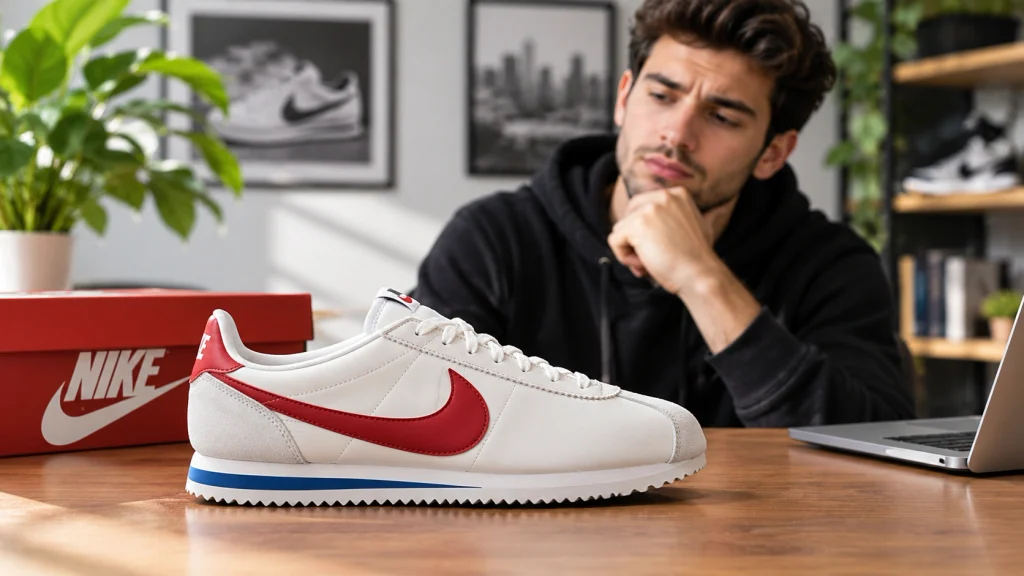
Yes — genuinely, not just as a nostalgic pass. The comfort holds up for its intended casual use, the construction has actually improved over recent releases rather than staying frozen in time, the price remains reasonable, and the cultural relevance is backed by continued design investment rather than just leftover goodwill. The sizing issue is real and worth planning around, and it’s not the shoe for serious athletic use, but neither of those limitations erases what the Cortez does well.
A shoe surviving five decades without either fully disappearing or fully dominating says something specific: it’s reliably good rather than occasionally trendy. That’s a harder thing to sustain than a single viral moment, and it’s exactly why the Cortez keeps earning its spot in sneaker rotations year after year, 2026 included.
The Bottom Line
The Cortez isn’t coasting on its history it’s still actively earning its reputation through genuine comfort, continued design refinement, and pricing that stays accessible while competitors chase hype-driven markups.If you have standard-width feet and want a versatile, comfortable everyday sneaker with real design credibility behind it, the answer to “is it still good” is a straightforward yes. If you have wider feet or need something built for actual athletic performance, it’s worth looking elsewhere — but for the vast majority of people asking this question, the Cortez remains exactly what it’s always been: a genuinely solid, dependable shoe that happens to have outlasted almost everything released around it.