

A
nyone who has done a squat while tugging their leggings back up knows the problem. You buy a pair that looks great on the hanger, and twenty minutes into your workout they’re rolling down, sliding off or going see-through. It’s frustrating, and it’s usually avoidable.
High waist leggings have become the default for a reason. When they’re well made, they hold everything in place, feel comfortable through every kind of movement and work just as well for errands as for the gym. Here’s what to look for so you don’t waste money on a pair that lets you down.
Why High Waist Works
The main advantage is coverage and stability. A high waistband sits at or above your natural waist, so it stays put when you bend, jump or twist.You don’t have to adjust anything mid-set, which means you can focus on the workout and not on your clothes.
There’s a comfort benefit too. A wide waistband spreads pressure evenly instead of digging into one spot, and many people find it more supportive around the core.It also tends to feel more secure for things like yoga, pilates, running and lifting, where you move through a full range of positions.
And yes, they look good. The shape is flattering on most body types, and they pair easily with crop tops, tanks or oversized tees.
Fabric Matters More Than The Brand
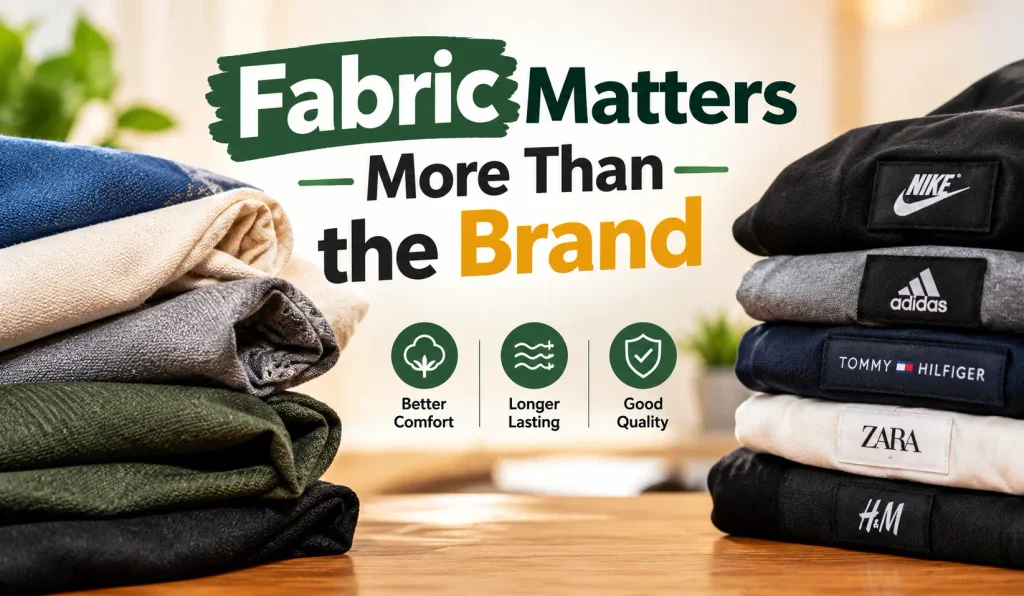
If you only check one thing before buying, make it the fabric.Most good workout leggings are made from a blend of nylon and spandex, sometimes called elastane or Lycra.Nylon gives a smooth, soft feel and handles sweat well. Spandex gives the stretch and recovery that keep the shape from sagging after a few washes.
A rough guide: look for something with about 10 to 25 percent spandex. Less than that and the leggings can feel stiff or lose shape.Much more and they may feel overly tight or thin.
Polyester blends are common too, and they’re fine, especially for sweaty sessions, because they dry quickly.Cotton-heavy leggings feel nice for lounging, but they hold moisture and get heavy and clingy once you start sweating. Save them for rest days.
Pay attention to thickness as well. A fabric that feels substantial in your hand is less likely to go see-through when you stretch it.Thin material may feel lighter, but it often fails the squat test.
The Squat Test
Speaking of which, always do the squat test before committing. Try the leggings on in good light, bend down, squat and lift your leg. Look in the mirror from the back. If the fabric turns sheer or you can see the color of your underwear, they’re not worth keeping.
If you’re buying online, check the reviews for comments about transparency. Real customers are usually honest about it, and you’ll find out fast if a pair has a problem.
Check the waistband as well. It should lie flat, without rolling at the top or digging in.If it folds over when you sit, it will do the same during your workout.
Choosing The Right Compression
Compression is a personal preference, and it’s worth thinking about what you actually do.
Higher compression feels firm and supportive, which many people like for lifting, running or high-intensity workouts. Lighter compression feels softer and more relaxed, which suits yoga, walking and everyday wear.
If you’re not sure, go for medium.It gives support without feeling restrictive and works for most activities. Whatever you choose, you should be able to breathe comfortably and move freely.If a pair leaves deep marks or makes it hard to sit, it’s too tight, and size up.
Details That Make A Difference
Small design choices can turn a decent pair into one you reach for every day.
Pockets. A side pocket large enough for a phone is more useful than you’d expect. Check that it’s deep enough to hold your phone without it bouncing around when you move.
Seams. Flat or hidden seams reduce chafing, especially around the inner thighs. Cheap seams can rub and irritate during long sessions.
Gusset. A well-placed gusset in the crotch area gives you more freedom of movement and adds durability. It’s an easy detail to miss, and a good sign of quality when it’s there.
Length. Full-length leggings are the classic choice, but 7/8 and capri lengths are great for warm weather or if you’re on the shorter side. Try a few and see which feels right.
Waistband style. Some have a wide, flat band for smoothing and support.Others have a drawcord or a built-in hidden pocket.Choose the one that matches how you like to wear them.
Getting The Right Size
Sizing varies a lot between brands, so don’t assume your usual size will be the same everywhere. Check each brand’s size chart and measure your waist and hips.If you fall between sizes, think about the fit you prefer.Size down for a snug, compressive feel and up for a looser, more relaxed one.
If the leggings pinch, roll or leave you tugging at them, they’re probably the wrong size or the wrong style. A good pair should feel secure the moment you put them on, not after you’ve adjusted them five times.
Taking Care Of Them
Even a great pair will wear out quickly if it’s washed badly. A few simple habits help a lot.
Wash them in cold water and turn them inside out.Avoid fabric softener, because it can break down the stretch fibers and trap odors.Skip the dryer if you can, since high heat damages elastane over time. Hang them to dry instead.
Also keep them away from rough surfaces like velcro or zippers, which can snag and pill the fabric. A little care adds months to their life.
How Much Should You Spend?
You don’t need to spend a fortune, but the very cheapest options often cost more in the long run. They tend to lose shape, pill or go see-through after a handful of washes.
A mid-range pair from a reputable sportswear brand usually offers the best balance. If you work out several times a week, it’s worth spending a bit more on two or three quality pairs and rotating them, instead of buying many cheap ones that wear out quickly.
Final Thoughts
The best high waist workout leggings are the ones you forget you’re wearing. They stay in place, feel comfortable and don’t turn see-through when you move.Focus on the fabric, run the squat test, check the waistband and get the sizing right, and you’ll end up with a pair that lasts.
Don’t chase the trend or the logo. Choose what works for your body and the way you train, and you’ll get far more use out of it.