

O
verpronation is one of those running terms people hear constantly and rarely get a clear explanation of.Put simply, it’s when your foot rolls inward more than usual after landing. For some people it’s harmless.For others it contributes to sore arches, shins, knees, or hips, and the right shoe can help.Here’s how to figure out where you fall and which shoes are worth considering.
What Overpronation Actually Is
Pronation is the natural inward roll of your foot as it absorbs impact. Healthline explains that when you overpronate, the outer edge of your heel hits the ground first and your foot then rolls too far inward onto the arch, flattening it more than it should.
A few easy self-checks can give you clues.Look at the bottoms of your old shoes: heavy wear along the inside edge near the ball of the foot and the big toe suggests overpronation.Another sign is shoes that tilt inward when you set them on a flat surface. For a more reliable answer, a gait analysis, where someone films you walking or running, can show how your foot really moves.
Stability Vs. Motion Control Shoes
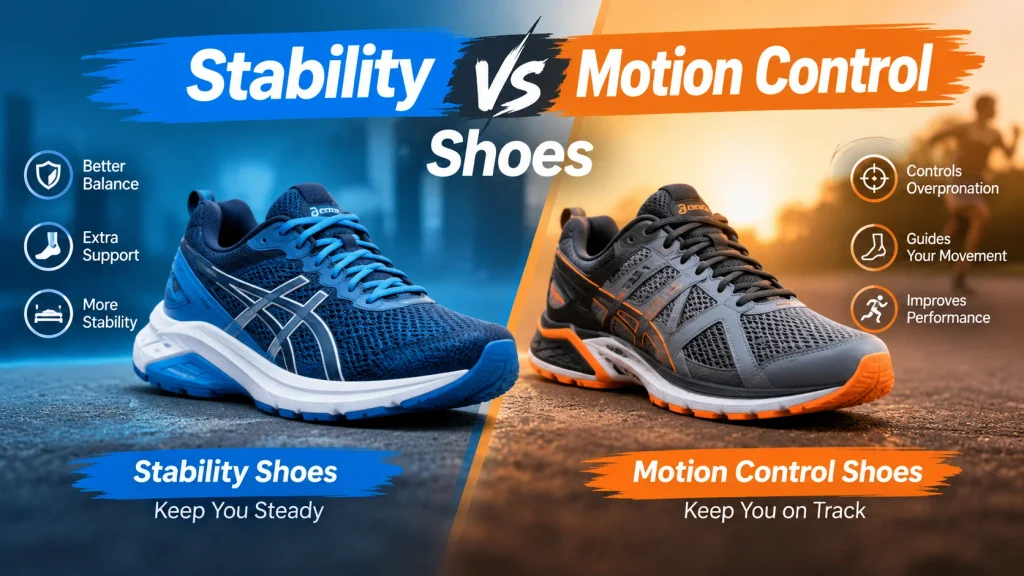
Two shoe categories are designed for overpronators. Stability shoes use features like medial posts or guide rails to gently limit inward rolling, and they suit mild to moderate overpronation.Motion control shoes have a firmer, wider platform and are meant for more severe cases.
According to CNN Underscored, podiatrists suggest looking for stiff heel counters that reinforce alignment at the back of the foot, firm midsoles, and built-in arch support.For most people, stability is the right place to start. ScienceInsights suggests considering motion control if you have very flat feet, a heavier build, or recurring injuries despite wearing stability shoes.
Best Running Shoes For Overpronation
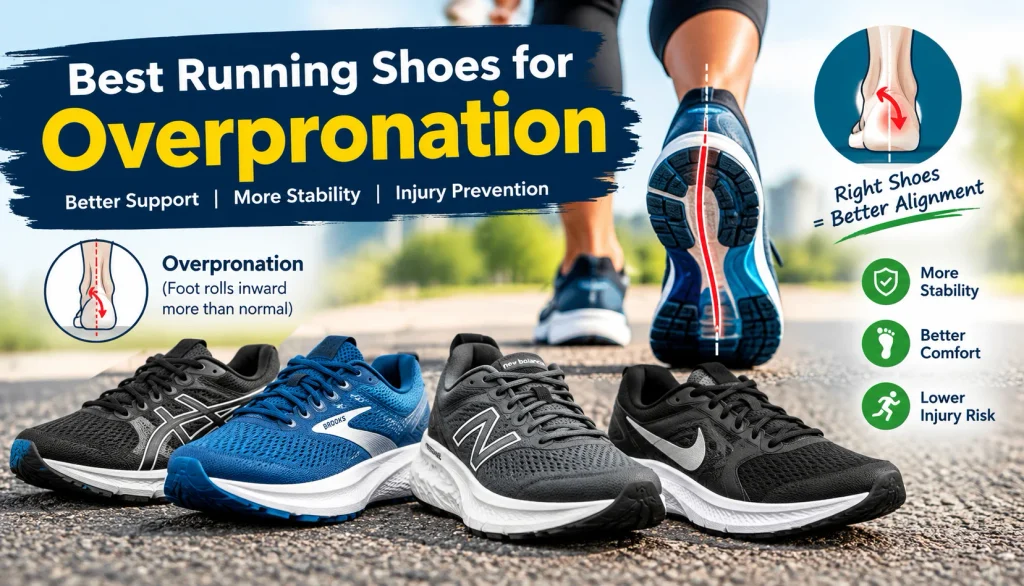
Best overall: Brooks Adrenaline GTS. A competitive runner who tested a dozen pairs for Yahoo Health named the Adrenaline GTS 25 the best overall pick. Its GuideRails system supports your foot without feeling rigid.
Best plush stability: ASICS Gel-Kayano. The Kayano 32 pairs PureGEL cushioning with the 4D Guidance System, which SportsShoes lists as a top pick for overpronation. It’s a premium option for long runs.
Best cushioned option: Brooks Glycerin GTS. This one adds Brooks’ GuideRails to a max-cushioned platform. SportsShoes suggests it for runners who want a stable ride for longer distances or recovery runs, and CNN Underscored’s testers like it too.
Best value: New Balance Fresh Foam X 860. A reliable stability trainer that’s often praised for balancing comfort and control, and it comes in a good range of widths.For a cheaper alternative, the Yahoo tester picked the adidas Supernova Rise 2 at around $98 as the best budget stability shoe.
More responsive feel: ASICS GT-4000 and Saucony Guide. CNN Underscored notes the GT-4000 isn’t as plush as some shoes but feels responsive and comfortable over many miles. ScienceInsights describes the Saucony Guide as a good everyday trainer and a sensible starting point if you’ve never worn stability shoes.
For Severe Overpronation: Motion Control
If stability shoes haven’t been enough, motion control is the next step. The New Balance 1540 has a wide base, a reinforced arch, and a rigid heel counter, which VDB Shoes calls its pick for severe overpronation. ScienceInsights lists the Brooks Addiction GTS as a classic motion control option built for people who put structure ahead of speed.
Walking And Everyday Shoes
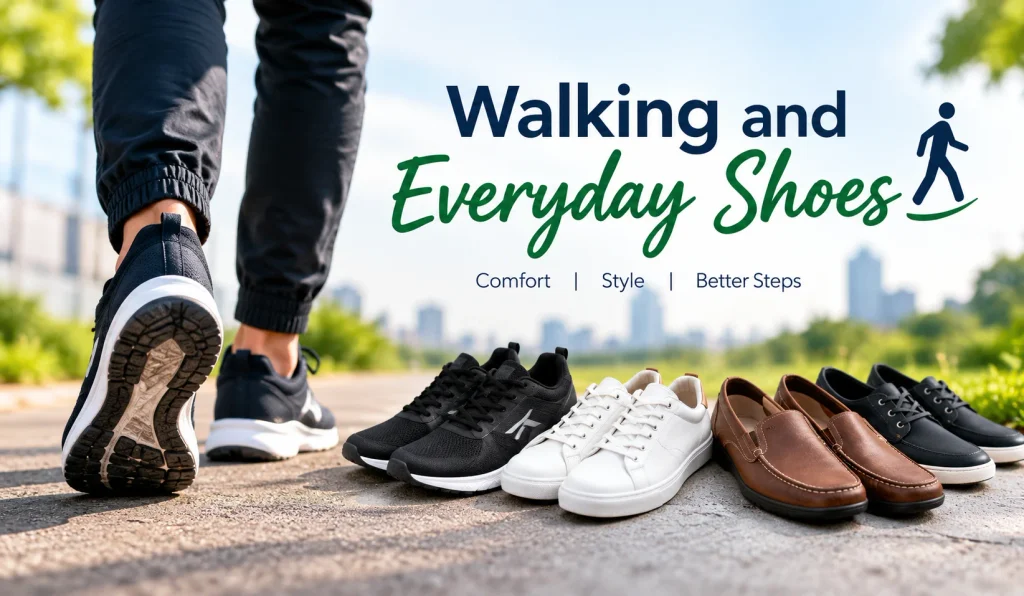
Overpronation isn’t just a running issue. If you’re on your feet all day, look for the same features in walking shoes. CNN Underscored recommends the Brooks Addiction Walker 2 for daily walkers, and VDB Shoes points to Xelero shoes for their stabilization systems and firm heel counters.
Do You Actually Need Special Shoes?
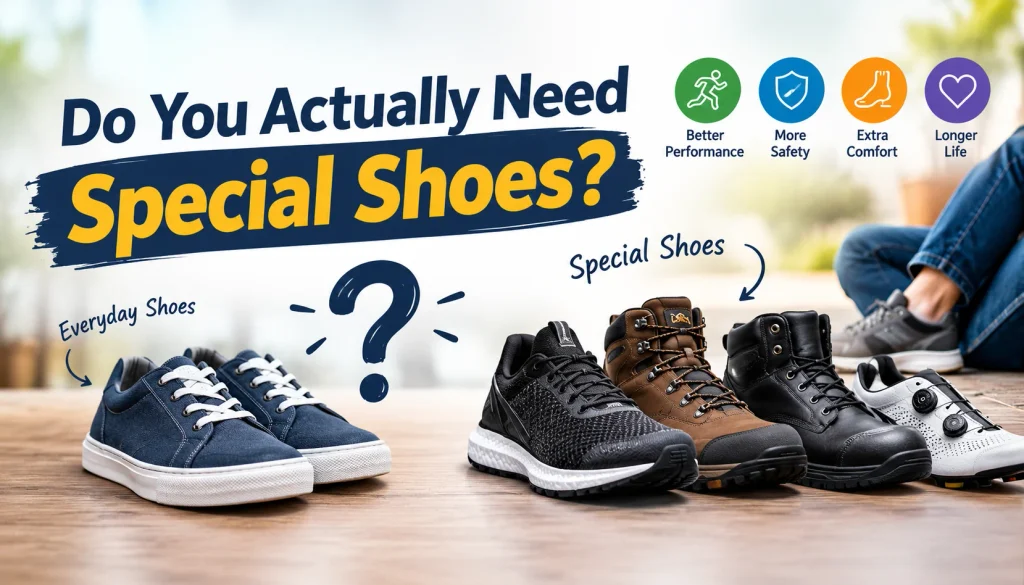
It depends.SportsShoes notes that some overpronators run comfortably in neutral shoes, while others get discomfort in the ankles, shins, hips, knees, or lower back.Mild overpronators may do well alternating neutral and stability shoes.The research on matching shoes to pronation is not unanimous, so comfort is a strong guide: if a shoe feels good and you’re staying injury-free, that matters more than a label. If you have pain, though, a stability shoe is a reasonable thing to try.
Tips For Choosing And Using Them
- Try shoes on later in the day, when feet are slightly swollen, and check the toe box has room.
- Replace shoes before the support wears down, since worn midsoles lose their stabilizing effect.
- If you add insoles or orthotics, make sure they fit comfortably in the shoe.
- Introduce new shoes gradually into your routine rather than switching overnight.
When To See A Professional
If you have ongoing pain in your feet, shins, knees, or hips, a podiatrist or a running store with gait analysis can help. Healthline recommends seeing a doctor if you’re dealing with pain or injury related to overpronation, rather than relying on shoes alone.
The Bottom Line
For most overpronators, a stability shoe like the Brooks Adrenaline GTS, ASICS Gel-Kayano, or New Balance 860 is the best starting point, with motion control reserved for more severe cases. Pick for fit and comfort first, and don’t be afraid to switch if a shoe isn’t working for you.